


Key Takeaways
- A comprehensive eye exam looks at both how you see and how healthy your eyes are.
- Tests are chosen based on your age, situation, and symptoms, not a fixed checklist.
- Some eye conditions show no early symptoms in their early stages, but can be identified by an eye exam.
- Bring your current glasses, contacts, medication list, and vision plan details.
Eye Exams Help Protect Your Vision
A comprehensive eye exam with our team at Lunettes Optometric measures how well you see while also assessing the overall health of your eyes. Depending on what we find, we can write you a prescription or recommend follow-up appointments like a dry eye consult to help you resolve eye-related discomfort.
What a Comprehensive Eye Exam Covers
Think of an eye exam as performing two roles. First, we’ll check your vision, including how well you see at distance, at arm’s length, and at reading range. Next, we’ll have a look at the internal and external structures of your eyes in order to check that everything is healthy.
Eye exams aren’t the same for everyone. Depending on the symptoms you mention, your optometrist may recommend different tests.
However, some eye conditions, like glaucoma, give no early warning at all. Regular eye exams are designed to catch early signs of such issues, so that we can provide treatment or management options before a small problem becomes a big one.
How a Comprehensive Exam Differs from a Quick Vision Check
What a Quick Check Measures
A vision check table at a health fair or a DMV line usually asks you to read distance letters on a chart. That’s it. Nothing about the surface of your eye, nothing about internal eye pressure, nothing about the retina.
Why the Full Exam Tells You More
A full eye exam makes full use of modern technology, including scans of your eyes. If we find that something’s off, we’ll recommend a treatment plan and help you protect your future vision.
Tests You Can Expect During Your Visit
Vision and Prescription Tests
Your visit starts with your health history and anything that has been bothering you lately. We’ll also perform standard vision tests, where you read letters off a chart, followed by a lens comparison where you tell us which lenses make your vision clearer.
Eye Teaming and Movement Checks
Your eyes should be able to work as a pair, and we’ll test that, too. Our team will look at eye focusing, tracking, depth perception, and color vision.
Eye Health Checks
The health portion of your eye exam covers a few different things:
- Using a slit lamp device to assess the front of your eye, including the lids and surface.
- Measuring the pressure levels inside your eye.
- Performing eye dilation or imaging of the retina (the tissue at the back of your eye) in order to check that it’s healthy.
- Other health checks as necessary.
How to Prepare for Your Appointment
What to Bring
A few items make your visit faster and more productive.
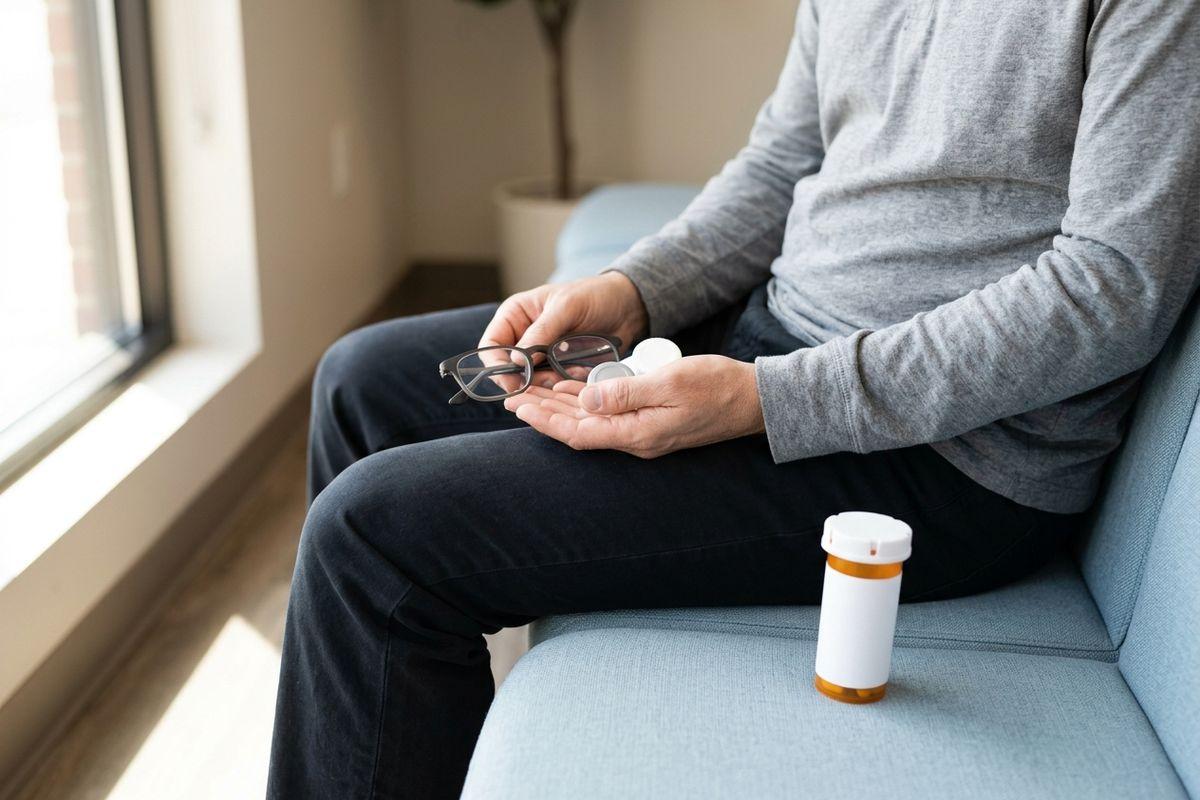
- Your current glasses and your contacts (including the boxes if you have them).
- A list of the medications you take.
- Your vision plan details, such as VSP, EyeMed, Aetna Vision, Cigna Vision, or Blue View Vision.
- Sunglasses, since light can feel bright for a while after dilation.
What to Skip Beforehand
Try not to walk in straight from a 4-hour stretch of screen time or a night of poor sleep. Tired eyes can read differently than rested ones.
If you’re getting your eyes dilated, leave some room after the appointment for your eyes to recover. It also helps to bring sunglasses and arrange for a ride home.
How Often to Book with an Optometrist in San Francisco
Many healthy adults do well with an exam every 1 to 2 years, but your optometrist will recommend a schedule based on your eye health and other considerations. Kids should normally have one eye exam before first grade, then yearly once they start school.
When you’re ready, our team at Lunettes Optometric can schedule your comprehensive eye exam and talk you through what your results mean for your glasses, your contacts, or your dry eye. Book your appointment and bring your questions with you.

