


Key Takeaways
- Many adults do well with an eye exam every 1 to 2 years.
- Yearly visits often make sense if you wear glasses or contacts, have a family history of eye disease, or live with diabetes.
- Children benefit from a first exam between 6 and 12 months, then regular checkups as school starts.
- Blur, headaches, and gritty eyes are all reasons to visit your optometrist.
- Bring your current glasses, contacts, and vision plan details to your appointment.
Adults Need Regular Eye Exams
Healthy adults should have an eye exam at least once every year. Seniors (65+) and adults with certain health issues should have eye exams every year. Your own recommended schedule may look different depending on your eyes, your work, and your health history. If screen time has left your eyes dry and tired, our team at Lunettes Optometric can perform a dry eye consultation to assess your tear film and help you find comfort.
The Short Answer on Exam Timing
Regular appointments every 2 years is the standard recommendation for adults who have healthy vision. On the other hand, yearly exams make sense for those who wear contacts, those who have a family history of eye disease or a diabetes diagnosis, and those who are 65+. As your optometrist in San Francisco, we can recommend a frequency based on your own vision situation.
A child’s first eye exam is recommended between 6 and 12 months of age to establish a baseline for vision. Follow-up visits depend on their age, development, and risk factors. Children ages 1–3 should be seen as recommended, while those ages 3–5 may need vision screening and a comprehensive exam as indicated.
From age 5 onward, annual vision screenings help support learning, reading, homework, and sports. Children of any age should be evaluated sooner if symptoms or risk factors arise or if they do not pass a vision screening.
Signs You Shouldn’t Wait for Your Next Visit
While regular eye exams help us keep your vision healthy, the following are all signs that you should call us before your next scheduled appointment:
- Blur at distance, up close, or both
- Gritty, burning, or watery eyes while you work at screens
- New floaters or flashes of light
- Double vision or difficulty seeing at night
- Eye redness or irritation
- Glasses or contact lenses that feel off or uncomfortable
- Eyelid swelling, bumps, or crusting
- A prescription that has expired, gone missing, or was never written down
- Changes in peripheral vision
Why Exams Still Matter When Your Vision Feels Fine
Many eye conditions start quietly, without pain, blur, or other symptoms. Regular eye exams help us track changes in your eyes, so that we can identify problems early (such as diabetes, high blood pressure, or retinal tears) and get started with treatment. Prompt action often means better outcomes.
A full eye exam covers several things in one sitting:
- Your health history and any symptoms you’ve noticed
- Sharpness of vision and eye alignment
- Eye pressure
- Refraction to fine-tune your prescription
- A look at the health of your eyes
How to Prepare for Your Exam in San Francisco
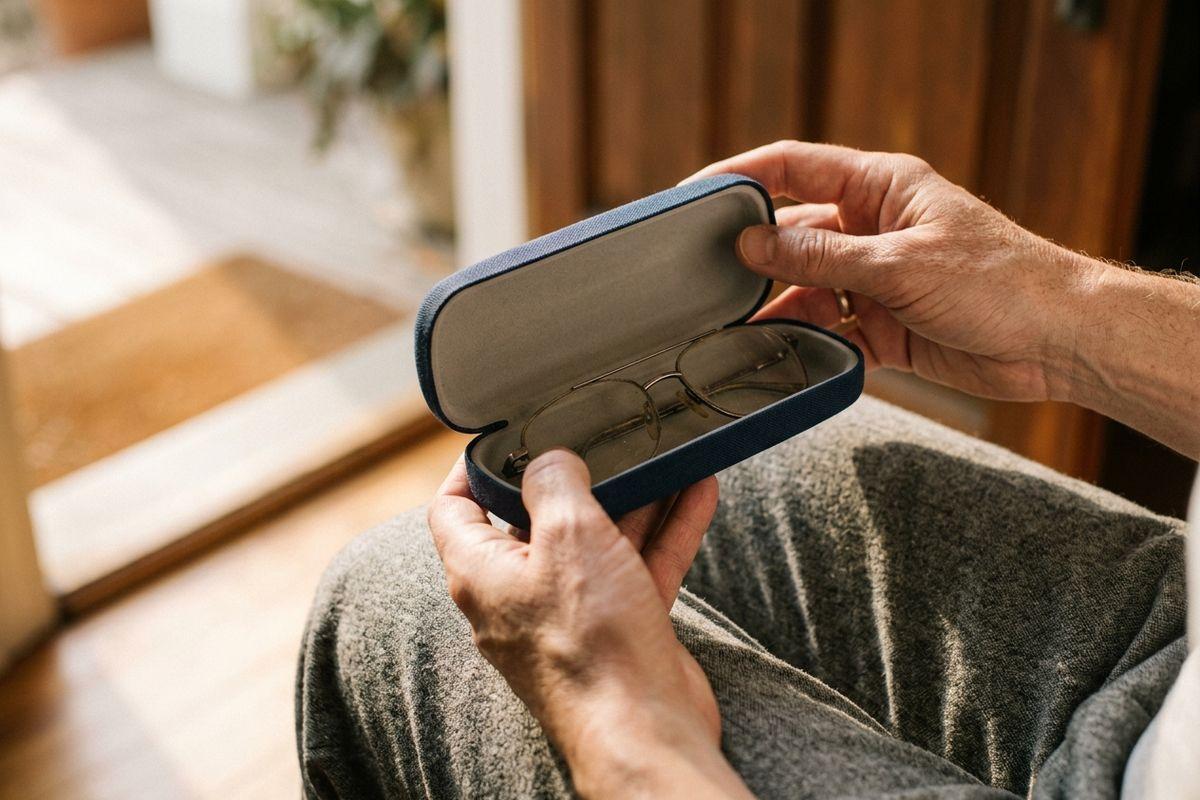
Bring your current glasses and contacts along with your prescription details if possible. It also helps to jot down notes about your vision habits, like how many hours you spend in front of screens and how often you drive.
We also recommend that you double-check your coverage before you book. Our team accepts VSP, EyeMed, Aetna Vision, Cigna Vision, and Blue View Vision.
Book a Time That Fits Your Week
Our weekday slots are easy to book and make it so you can walk over to us from the Financial District, East Cut, or SoMa on a lunch break. Dr. Garley Leon and the optometrists at Lunettes Optometric can walk you through your results and help you pick frames that suit your features and lifestyle.
Reach out now to book your eye exam.

